


💙 The Big Medical Guide to Finland: healthcare, insurance, and pharmacies
Finnish healthcare without panic
If you’re visiting Finland for the first time, the healthcare system may feel like a winter forest: white, quiet, and unclear where to go.
But the key thing to remember is simple: healthcare in Finland works calmly, clearly, and without chaos.
This is a country where a night in Helsinki can be completely peaceful — but if you suddenly feel unwell, the algorithm switches on immediately.
Finns don’t run, shout, or panic — and you don’t need to either.
In this article, you’ll learn how doctors, pharmacies, insurance, and emergency care work, where to go if a child gets sick at night, and which actions help you feel confident even in an unfamiliar city.
Let’s say the most important thing right away: even a tourist can receive medical care in Finland — and receive it at a high level. The key is understanding the correct sequence of actions.
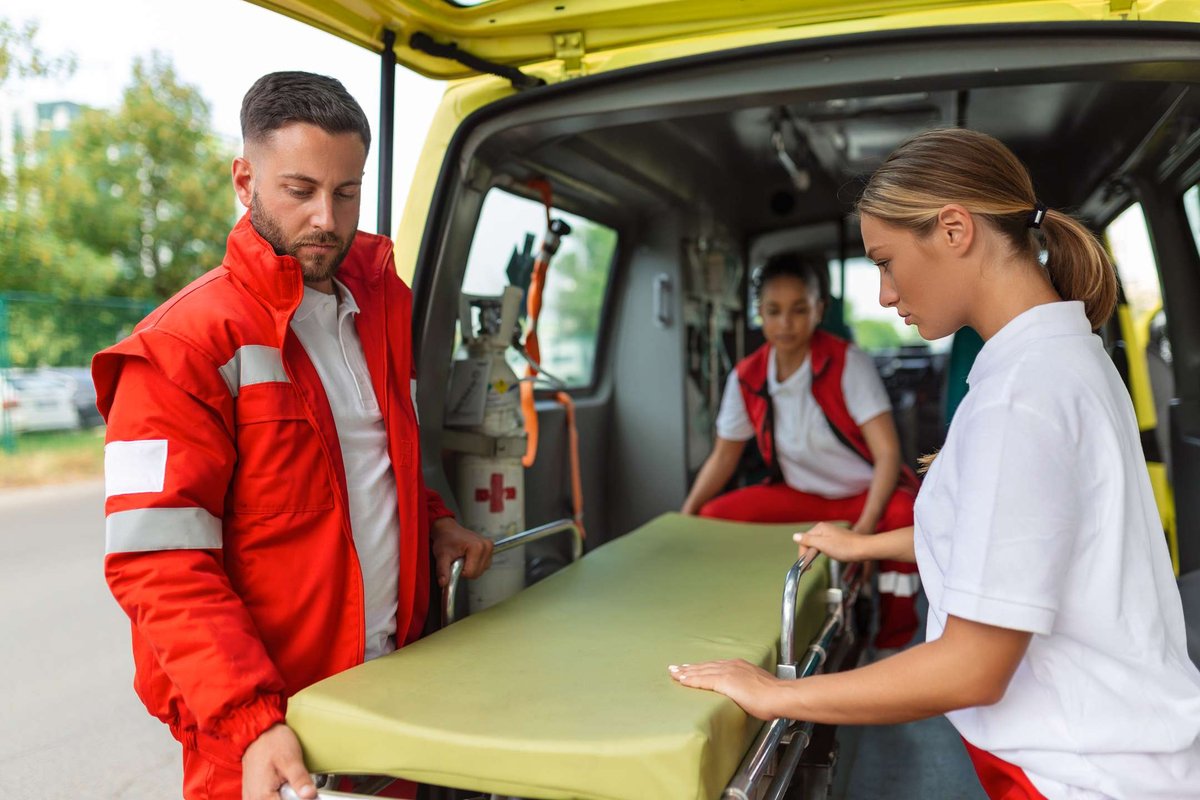
🚑 Emergency number 112 and medical helpline 116 117
The most important rule in Finland is simple:
112 if there is a danger to life, and 116 117 if you need medical advice without immediate urgency.
There is no shame in “calling one time too many”: these lines exist to reduce hospital overload and to help people.
Finns value clear algorithms — so here is one for you.
If you’re unsure about the urgency of the situation, start with 116 117. A nurse will guide you, explain whether you should go to a clinic or wait at home, and what to do next.
After a call to 112, an emergency team will arrive, perform triage, measure vital signs, and decide whether hospital care is needed.
Even without insurance, help will be provided — a bill may come later, but care is never delayed in Finland.
📞 What to tell the operator
— where you are (address, landmarks, nearby buildings),
— what is happening,
— breathing / pain / consciousness,
— whether children or elderly people are involved,
— whether translation is needed (English is almost always available).
Public and private healthcare
The Finnish system is straightforward:
- public healthcare = affordable, sometimes with waiting times
- private healthcare = faster, more expensive
Public emergency departments can be crowded in the evenings or during virus season. Private clinics are faster, but consultation prices vary.
In many cases, going to a private clinic is easier — especially if you have travel insurance for Finland with cashless coverage, where the insurer pays the clinic directly.
Medical insurance and coverage
No matter how carefully planned your trip is, Finland is a country of humid air, slippery paths, unexpected viruses, and long walks. Insurance is essential for everyone.
It’s important to distinguish between:
- travel insurance (for trips),
- student insurance (for residence permits),
- corporate insurance,
- EHIC add-ons.
A major mistake tourists make is assuming that EHIC replaces a travel insurance policy.
EHIC covers basic treatment in the public system, but does not cover private clinics, evacuation, dentistry, insurance cases, and many other things.
- treatment of acute illnesses
- emergency dental care
- hospitalisation and medical transport
- 24/7 assistance
- COVID / flu coverage
If you want to understand the nuances, it’s worth comparing insurance policies in advance — coverage limits differ significantly.
Pharmacies and medicines
Pharmacies in Finland are easy to recognise by their bright green Apteekki signs.
They are found in shopping centres, near large supermarkets, and on central streets.
You can easily buy basic products:
- fever reducers,
- ointments,
- throat lozenges,
- allergy medication.
Antibiotics are strictly prescription-only, as are most strong medications.
If you’re unwell and unsure what to buy, pharmacists will help — they are trained to explain clearly without complex medical terminology.
This is one of those cases where Finnish pharmacies save tourists from panic.
If you don’t know the medicine name, show a photo of the packaging you used at home. The pharmacist will find an equivalent.
Algorithms for pain, fever, and injuries
Finns are practical: what can be handled at home, is handled at home. What’s urgent goes to doctors.
Mini guide:
🌡 Fever
— let the body rest,
— take a fever reducer,
— monitor breathing, pain, rash, dehydration.
If symptoms worsen → call 116 117.
🤕 Injuries
If there is severe pain, restricted movement, or suspected fracture → go to an emergency department.
In case of sudden pain outdoors, you can call 112 — especially in winter when ice causes frequent falls.
🍃 Abdominal or chest pain
Don’t experiment — quick assessment matters.
Waiting for it to “pass on its own.” In Finland, it’s often better to call 116 117 — you’ll be routed correctly without unnecessary visits.
Children, elderly people, and chronic conditions
Finland is very family-friendly: clinics have children’s areas, and a child’s fever at night is not automatically an emergency.
Common scenarios:
👶 Children
— fever → 116 117,
— dehydration is the key risk,
— pharmacists are excellent at selecting correct dosages.
👵 Elderly
— monitor blood pressure,
— avoid dehydration in dry indoor air,
— be careful on ice in winter.
🧬 Chronic conditions
— bring medicines in original packaging,
— carry a list of active substances,
— photos of prescriptions speed up any visit.
All of this helps if you need to understand how to see a doctor in Finland without extra stress.
Common tourist mistakes
There are fewer than you think — but they repeat often.
This leads to large bills and stress. Insurance is more important than it may seem.
In Finland, up to 80% of issues are resolved via 116 117 or a private clinic.
A small kit saves time and nerves, especially when travelling with children.
Northern calm as your main resource
Finnish healthcare is not about rushing or bureaucracy. It’s about getting help at the right moment, without panic, following a clear sequence.
If you have:
— an understanding of 112 and 116 117,
— insurance,
— documents,
— a basic first-aid kit,
— and clarity on where to go for different symptoms,
then any trip becomes calmer.
💬 Share your experience
If this article helped you understand the system, share in the comments what was most useful.
Share the link with friends so they don’t get lost during the first hours of illness, and ask questions — we’ll expand the guide.
❓ FAQ
Yes. Winter is the season of injuries and colds, so insurance is especially important. It covers treatment and tests and helps avoid high costs if you need a private clinic.
You call, explain the situation, the operator clarifies details and dispatches help. Arriving medics perform initial triage and decide whether hospital care is needed. English is almost always available.
Start with 116 117 — a nurse will assess symptoms and direct you to the right clinic. Emergency cases go through 112. Large cities have night emergency departments.
No, only with a doctor’s prescription. If you were treated abroad and run out of medication, a Finnish doctor must issue a local prescription after consultation.
Call 116 117. A specialist will assess symptoms, give advice, and schedule a visit if needed. Finns focus on overall condition assessment.
Speed. Private clinics are faster and offer broader services. Public clinics are more affordable but may involve waiting.
Only emergency dental treatment (e.g. severe pain or injury). Planned dental care is not covered.
No, but it’s important to monitor blood pressure, avoid ice, and carry a medication list. Clinics operate reliably and will help if needed.
Yes, from private clinics. You’ll need a passport and a brief symptom description. The service is paid.
Fever reducers, plasters, cold remedies, antiseptic, personal medications, and a phone charger — a simple kit that saves time.
Sometimes — it depends on the medication. Often, a Finnish doctor issues a local prescription after an exam or video consultation.
Severe pain → call 112. If you can walk but it hurts → go to an emergency department or a private clinic. Ice is a common cause of injuries in winter.

0 comments
Log in to leave a comment