



🎅 Santa Claus from Rovaniemi, Tomte from Stockholm or the Christmas gnome from Copenhagen: who do children and tourists believe in?
Where fairy tales come from: a northern view of goodness
There are things that the North cherishes especially. One of them is Christmas.
Not the one that glitters in shop windows, not the one that is sold in ‘50% off’ packages, and not the one that plays on endless playlists.
A real Northern Christmas is different:
quiet, frosty, smelling of cinnamon, ice, mandarins and hope.
It's where the light in the window is more important than the garlands, and a warm hand nearby is the best gift.
And that is why the question ‘Who do children believe in — Santa from Rovaniemi, the Swedish Tomte or the Danish Christmas gnome?’ sounds much deeper than it seems.
It's not about costumes and cards at all.
It's about roots. About the character of a people. About how northern countries explain to children what goodness, care, home and miracles are.
This article is about how Scandinavia divides four different Christmas characters among themselves;
about how tourists try to find the ‘real’ Santa;
and about why Finland, Sweden, Denmark and Norway view winter magic differently — but with equal care.
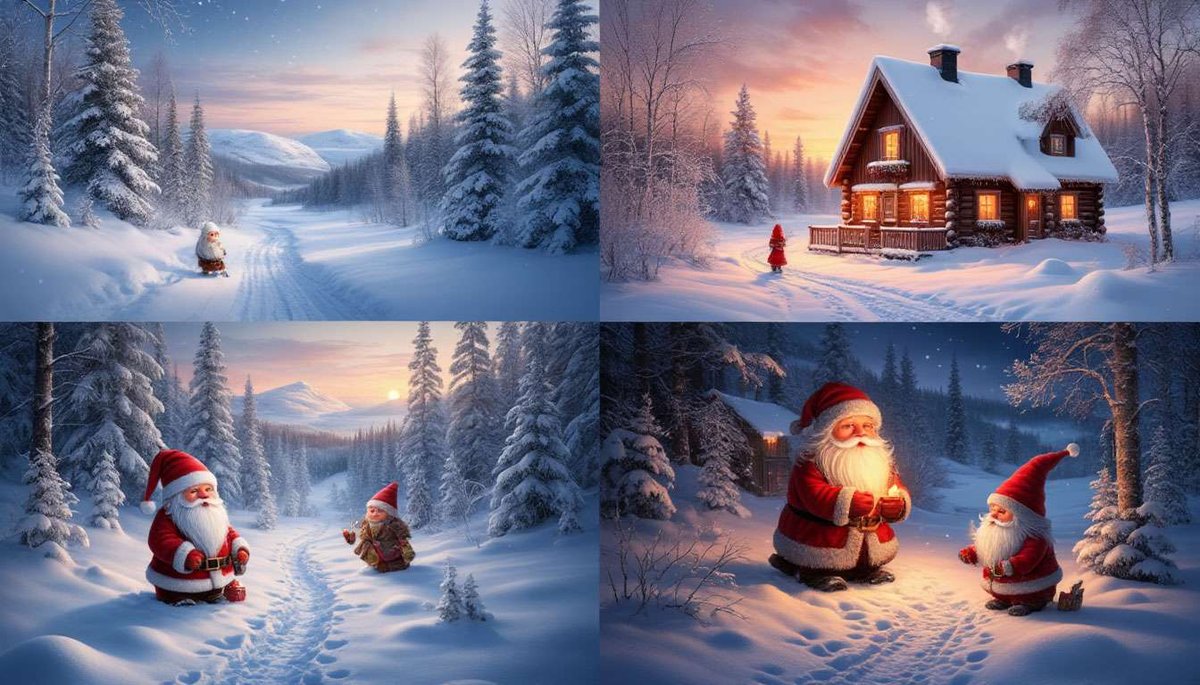
✨ The North and magic: why each country has its own hero
From the outside, Scandinavia seems like a single kingdom of snow and fairy tales.
But the deeper you delve into the Christmas traditions of the four countries, the clearer it becomes: each nation has created its own ‘winter guardian,’ similar and dissimilar at the same time.
Finnish Santa is wise and gentle, a symbol of northern honesty.
Swedish tomte is a quiet guardian of the home.
Danish nisse is a mischievous character who brings Christmas to life. The Norwegian julenisse is a kind, calm and very homely character with a mountainous disposition.
And all this is not a marketing fantasy, but a living culture passed down from grandparents to grandchildren.
📜 How it all began — a brief history of northern characters
• Joulupukki was not a kind grandfather, but a visiting spirit in a goat's skin who checked whether the family was ready for winter.
• The Swedish tomte appeared in peasant legends as a small old man with a kind heart and a strict principle of honesty.
• The Danish nisse is a barn spirit who loves mischief but protects the house from misfortune.
• The Norwegian julenisse is a mixture of ancient mountain beliefs, peasant wisdom and the more modern image of Santa.
Now that the context is clear, let's see which of them is closer to children and tourists.
🎅 Santa from Rovaniemi is the most ‘real’ for the world
Finland treats children's beliefs with respect, almost sacredly. That's why Santa from Rovaniemi is not an actor or a marketing hero.
He is the embodiment of a northern cultural idea:
miracles should be quiet, kind and honest.
When you arrive in Santa's village, it feels like you are entering a space where time moves differently. The snow sounds muffled, the windows glow softly, the air smells of smoke, and Santa himself sits in his house as if he really lives there all year round.
Santa Park is a school for elves, ice halls, neat rituals and dim light that creates the feeling of an intimate fairy tale. It's not a show. It's not an attraction. It's a space where a child's belief meets an atmosphere that gently supports that belief, without pressure.
💬 Review: Rovaniemi, Finland
‘My son saw Santa and just froze. He didn't smile or speak. He just stared, as if afraid to scare away the miracle. And then he said, “It's him.” And at that moment, even I believed.’
🧦 Tomte from Sweden — Scandinavia's most family-oriented character
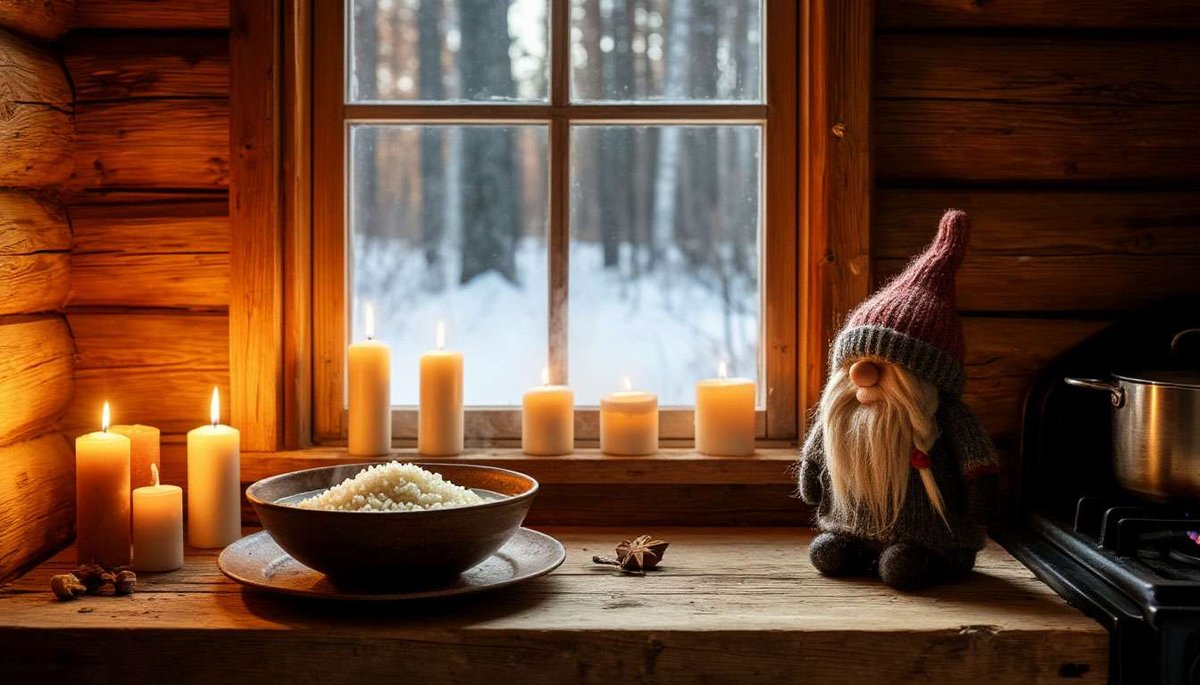
Swedish Christmas means candles on windowsills, rice porridge, wooden houses and the slow light that appears for a couple of hours a day.
And at the centre of all this gentle winter family life is Tomte.
He is small. He is quiet. He is strict in a good way — he checks that everything is in order, protects the home, and helps those who respect work and warmth.
Children in Sweden often believe in Tomte rather than Santa.
Because he doesn't ‘come from far away.’ He is always nearby.
💬 Review: Stockholm, Sweden
“Every year the children leave a bowl of porridge for the tomte. Every year it disappears. And every year the house feels a little warmer. The tomte isn’t just a fairy tale – it’s part of our family.”
🧝♂️ The Danish nisse is Copenhagen's most cheerful and lively character
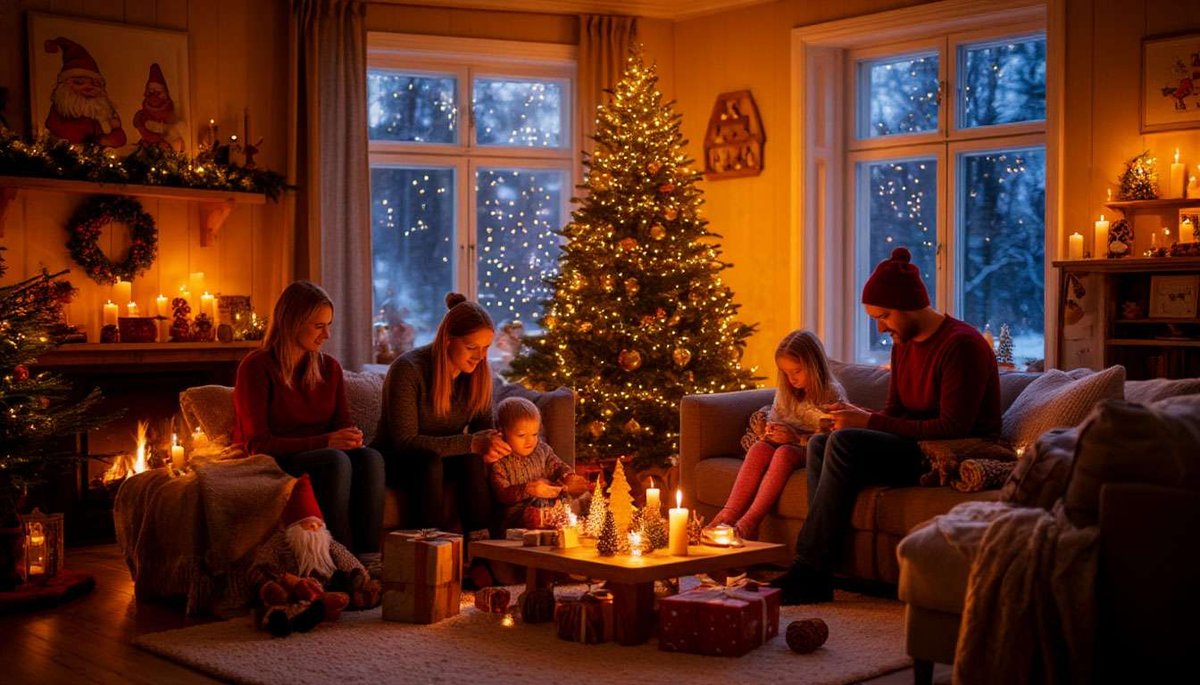
Denmark is hygge: candles, soft blankets, warm windows, the smell of baking and laughter.
And all this is best reflected in the Christmas nisse — a mischievous, funny and incredibly lively character.
He loves to play little pranks, hiding socks, swapping shoes, putting spoons away, and creating toy chaos.
But he does it with such kindness that children adore him.
Nisse is Christmas without pretension, but with a big heart.
💬 Review: Copenhagen, Denmark
“My daughter is convinced that a nisse lives in the pantry. It explains the missing socks better than any adult version. And you know… I like to believe with her.”
🎠 Julenisse of Norway — calm, wise and honest
Norwegians do not try to compete with Rovaniemi and do not argue with the Danes about whose character is funnier.
Their julenisse is a quiet hero who grew up from mountain legends, village festivals and respect for winter.
He does not fly in from distant lands, nor does he promise a big show.
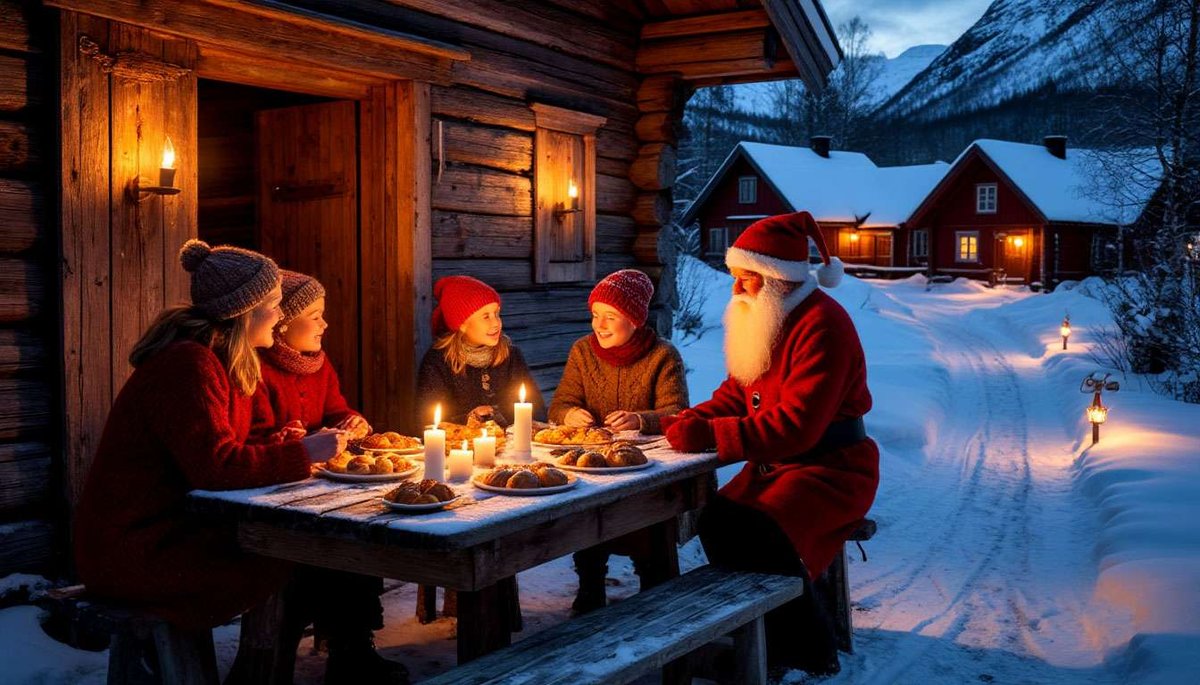
He appears where the family gathers at the table, where the smell of homemade cookies fills the air, where torches burn on snow-covered paths.
Julenisse is Christmas without the drama, but with a real sense of belonging.
🌙 Northern legend
It was said that on the longest night of the year, tomte, nisse and julenisse go around the houses to see where the soft warm light is burning. The warmer the house, the kinder the morning will be.
🎁 Tourists and parents: who do they really believe?
It gets even more interesting when you read hundreds of reviews from families who visited Scandinavia in December.
Tourists choose Santa from Rovaniemi.
Not because he is ‘the main one’, but because the atmosphere there is truly magical.
Parents choose according to their mood:
— tomte — if they want cosiness and traditions,
— nisse — if they want laughter,
— julenisse — if they want peace and quiet.
And there is no conflict here.
It's just that each country bets on its own.
🧠 Why children believe so easily
In the north, belief in winter characters is a gentle cultural support. It helps to survive the long darkness, creates a sense of security and teaches that miracles are a form of care.
🎄 Who do they believe in most?
If we ask this question honestly, without competition, without ‘who is the most important,’ we get the following picture:
🎅 The most ‘real’ for tourists is Santa from Rovaniemi.
🧦 The most family-oriented is Tomte from Sweden.
🧝♂️ The most cheerful is the Danish Nisse. 🎠 The calmest and wisest is the Norwegian julenisse
And together they show that Northern Christmas is not about one hero, but about a whole tradition of belief in goodness.
✨ Northern aftertaste — the final word
Scandinavia does not choose one hero. It chooses an atmosphere: the warmth of windows, the smell of cinnamon, snow on eyelashes and the soft light of fairy lights.
And if you listen carefully, it becomes clear:
the miracle is not in who brings the gift.
The miracle is that adults continue to create warmth for children, never forgetting to believe at least once a year.
💬 Share your experience!
If you've met Santa in Rovaniemi, looked for tomte in Stockholm, laughed at the pranks of nisse in Copenhagen, or walked with julenisse along the fiery trails of Norway — tell us about it!
Your stories help other families understand where to go and where the Christmas magic is strongest.
- share memories and small moments,
- ask anything that helps you plan,
- save this article to your bookmarks,
- read it together with your kids like a bedtime story,
- return to it again before you leave.
FAQ
According to Finnish tradition, Santa lives on Korvatunturi Mountain in Lapland. Tourists can meet him in Santa's village in Rovaniemi all year round.
In Sweden, children are more likely to believe in Tomte — a household spirit who protects the family and brings gifts quietly, without fanfare.
A nisse is a mischievous Christmas gnome who likes to joke around, hide things and create a cosy, lively atmosphere in the home.
Yes, the Norwegian julenisse is a local version of the Christmas hero, born out of folklore and mountain traditions
For magic — Rovaniemi.
For family comfort — Stockholm.
For fun — Copenhagen.
For tranquillity — Oslo.
Because they reflect the character of each country: Finnish honesty, Swedish cosiness, Danish hygge and Norwegian wise simplicity.
Santa from Rovaniemi. According to tourist reviews, he creates the strongest ‘real miracle effect’.

0 comments
Log in to leave a comment