



Does a sauna burn calories or help with weight loss?
Your body uses energy while you sit in a sauna, but heavy sweating does not measure fat burning. A lower weight immediately afterwards often reflects fluid loss and returns with rehydration. Cleveland Clinic advises that sauna use should not replace regular physical activity for weight management.
What does heat do to the body?
Duodecim's Sauna ja terveys article describes skin blood vessels widening and sweating starting in response to heat. Circulation changes too. Feeling hot signals heat exposure, rather than a specific number of kilocalories burned.
Mayo Clinic distinguishes a conventional sauna, where hot air warms the body, from an infrared sauna, which delivers heat differently. Similar sweating does not make these identical research conditions.
| Observation | What does it indicate? |
|---|---|
| Sweating | The body is shedding heat and losing fluid |
| A rising pulse | Heat is placing demands on circulation |
| An immediate weight drop | Much of the change may be water |
| Sweat-soaked clothing | Sweat volume does not measure fat loss |
These distinctions come from Duodecim, Mayo Clinic and Cleveland Clinic. They cannot be turned into an individual calorie estimate using elapsed time alone.
Why can weight change quickly?
Cleveland Clinic's article dated 19 August 2026 separates sweating from calorie expenditure. Sweat volume depends partly on surroundings and clothing. Two people spending the same time in a sauna can therefore sweat differently.
A quick change on the scales can tempt someone to stay longer. Deliberate fluid loss is not a sustainable approach to weight management: Cleveland Clinic distinguishes temporary water weight from a reduction in body fat. Delaying drinks to preserve a lower reading misses that distinction.
Can a sauna session have a calorie number?
Mayo Clinic explains that sauna use can increase heart rate and produce reactions resembling exercise. This does not establish equivalence with a particular run. It also stresses the need for more research on health effects.
When a claim gives an exact calorie figure, look for the underlying study: which sauna, which participants, and was energy expenditure measured or estimated? Without that context, a precise-looking figure provides no useful personal estimate.
Give activity and recovery their own roles
The UKK Institute recommends 2 hours 30 minutes of moderate activity or 1 hour 15 minutes of vigorous activity each week for adults aged 18-64. Muscle strength and movement control should be practised at least twice weekly. Sufficient sleep is part of the same overall guidance.
| Part of the day | Practical example |
|---|---|
| Moderate activity | Walking that leaves you slightly breathless |
| Strength and movement control | Training suited to your abilities |
| Breaks from sitting | Getting up during the day |
| Sleep | Enough time to recover |
The UKK Institute provides separate adapted recommendations for people with reduced functional capacity. Suitable activity can reflect personal circumstances without making maximum sweating a goal.
A safer sauna visit
Cleveland Clinic advises leaving if you feel unwell, dizzy or weak, or find breathing difficult. Duodecim advises against sauna use with a fever. Illness and medication can affect heat tolerance; questions about your own situation belong with your treating professional.
SuomiGuide's Helsinki sauna and spa directory helps locate venues. The public sauna guide covers places to visit, while the Tampere city page helps combine a visit with other activities. Follow the venue's own practical instructions.
Frequently asked questions
Cleveland Clinic says sweat volume does not measure fat burning. Sweating helps cool the body.
A rapid change often reflects fluid loss. Weight may return as fluid balance is restored.
Duodecim describes pulse changes as part of the response to heat. Pulse alone establishes neither an exercise session nor its energy expenditure.
Mayo Clinic's review provides no basis for promising that outcome. Sauna types heat the body differently.
Not to preserve a weight reading. Cleveland Clinic recommends attending to hydration around sauna use.
The UKK Institute's activity guidance concerns movement. Sitting in a sauna does not perform the role of walking.
Duodecim advises avoiding a sauna with a fever. The body is already under strain.
Cleveland Clinic identifies dizziness, weakness, feeling unwell and breathing difficulty as reasons to stop and seek help as needed.
Read also
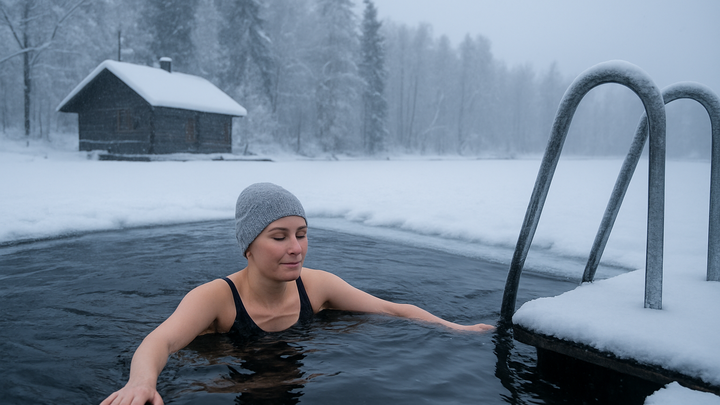
How do you try ice swimming in Finland?
Try ice swimming in Finland: choose an equipped site, check access and fees, pack dry clothes and plan a calm first dip with a companion and clear guidance.

🧖 The best public saunas in Finland in winter 2025–2026: Helsinki, Tampere, Oulu — where to go for real löyly and warm stories
🧖 Find out where to steam in winter: wood-fired legends, smoky steam rooms, avanto, mixed/separate sessions, reservations and price guides. Map, checklists and…

Christmas Sauna in Finland: Traditions and Tips
How to enjoy a Finnish Christmas Eve sauna: the 24 December tradition, booking times, clothing, etiquette, what to bring and essential safety advice.
0 comments
Log in to leave a comment