



⭐ Where to find Michelin in Helsinki: Top 12 restaurants from the guide and practical tips
Helsinki is a city where fine dining rarely feels like theatre: more often it’s about seasonality, ingredients, and calm precision. That’s why, when choosing Michelin Guide Helsinki restaurants, the biggest risk isn’t “the wrong address,” but the wrong expectations — how long dinner will take, how much of an “event” it will feel like, and what a star next to a name actually means.
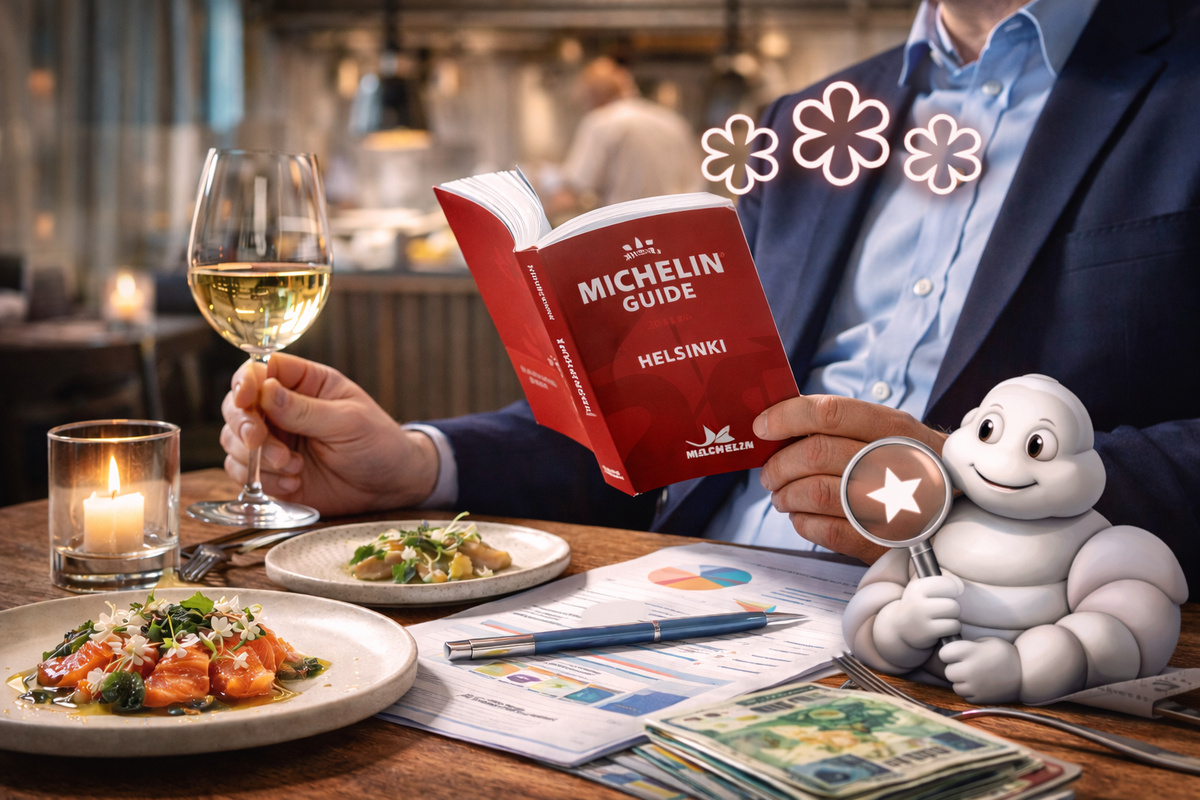
What is the MICHELIN Guide — and why people trust it
The MICHELIN Guide is one of the world’s best-known international restaurant (and partly travel) guides. It has existed since the early 20th century and now covers dozens of destinations worldwide. Restaurants are selected by the guide’s own inspection team, who visit anonymously and evaluate venues according to consistent principles.
Trust in the guide is built on three practical points:
First, decisions are made by inspectors — full-time professionals who write detailed reports and behave like ordinary guests: they book a table, dine, and pay the bill while staying anonymous.
Second, stars and other distinctions are reviewed regularly. This isn’t a lifetime award — statuses can change.
Third, it’s important to understand the system’s focus: a star is awarded for what’s on the plate, not for interior design, “status,” or the level of formality. Those elements may be noted by inspectors, but they are not the core of a star decision.
What do 1, 2, and 3 MICHELIN stars mean?
⭐ 1 star — Worth a stop
High-quality cooking.
A strong kitchen. If you’re already nearby, this is an excellent stop: precise, consistent, and without excessive expectations.
⭐⭐ 2 stars — Worth a detour
Excellent cooking.
This restaurant is worth changing your route for. Craft, technique, and a coherent gastronomic vision stand out clearly.
⭐⭐⭐ 3 stars — Worth a special journey
Exceptional cuisine.
A destination in itself. This is a place you plan a trip around — not just a dinner, but a complete experience.
How Michelin stars are awarded
MICHELIN defines five universal criteria that are applied in the same way worldwide:
- quality of the ingredients
- mastery of culinary techniques
- harmony of flavours
- the chef’s “signature” and personality expressed in the cuisine
- consistency — both within the menu and across visits
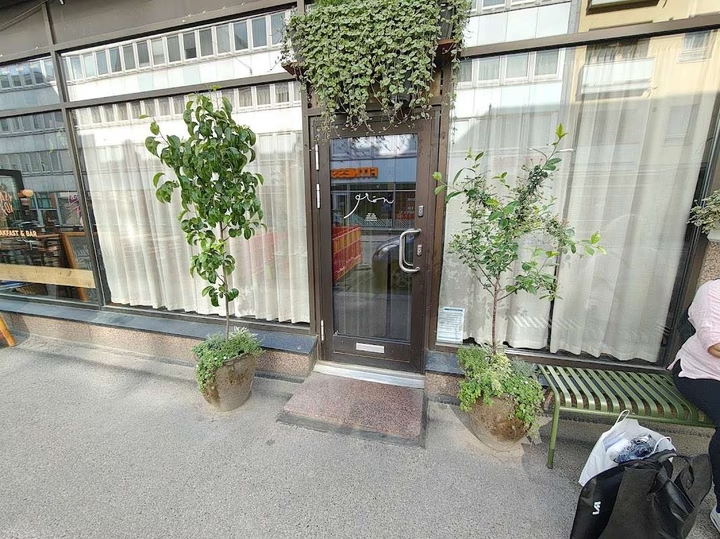
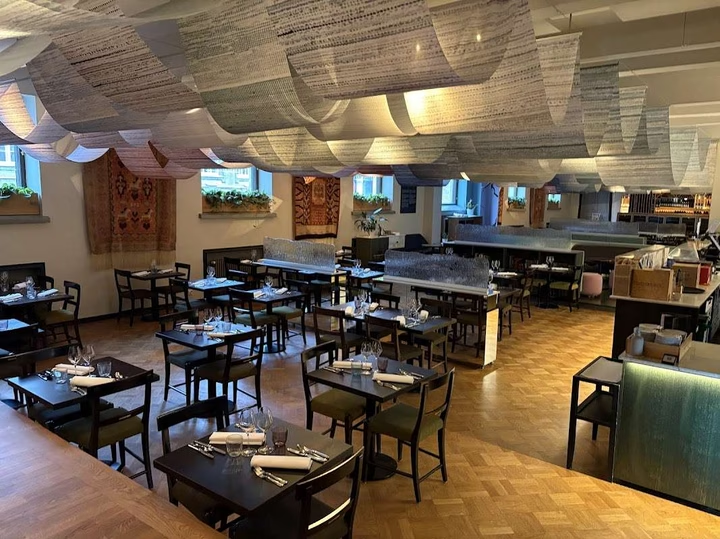
⭐ Michelin-starred restaurants in Helsinki (2★ and 1★)







Bib Gourmand and Selected Restaurants
Beyond stars, the guide also uses distinctions that help you choose the right format without unrealistic expectations:
Bib Gourmand — introduced in 1997, this label highlights restaurants that offer good quality and great value for money. The price threshold varies by country depending on the cost of living, but the principle is the same: great value for money.
MICHELIN Selected (Selected Restaurants / Recommended) — restaurants the guide recommends without a star and without a Bib distinction. Inspectors consider them worthy of inclusion even if they don’t yet reach Star or Bib level. Over time, a Selected restaurant can be promoted to a star or Bib based on further visits.

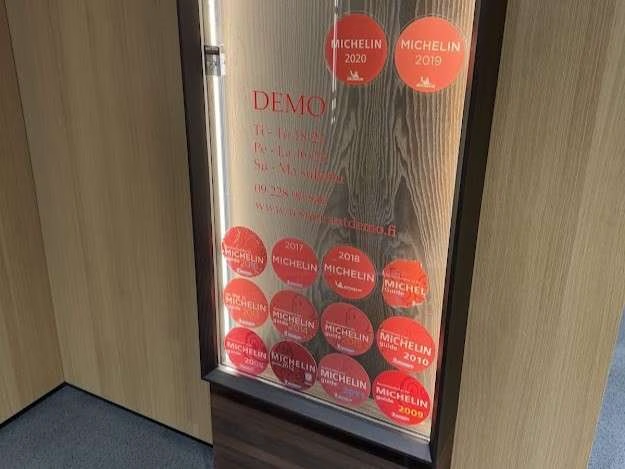



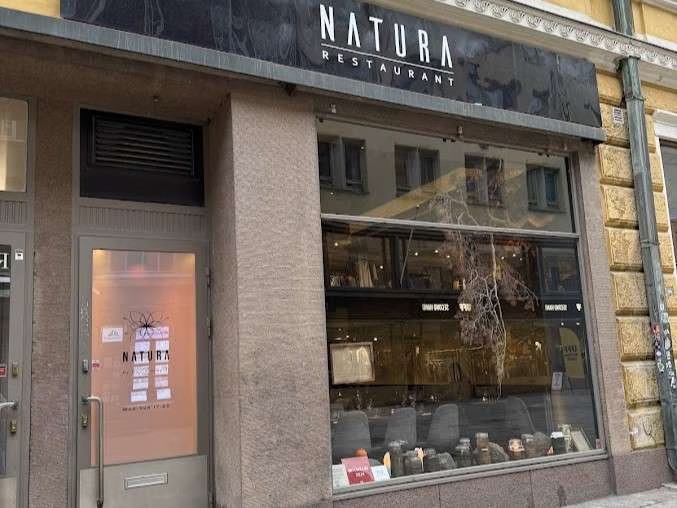

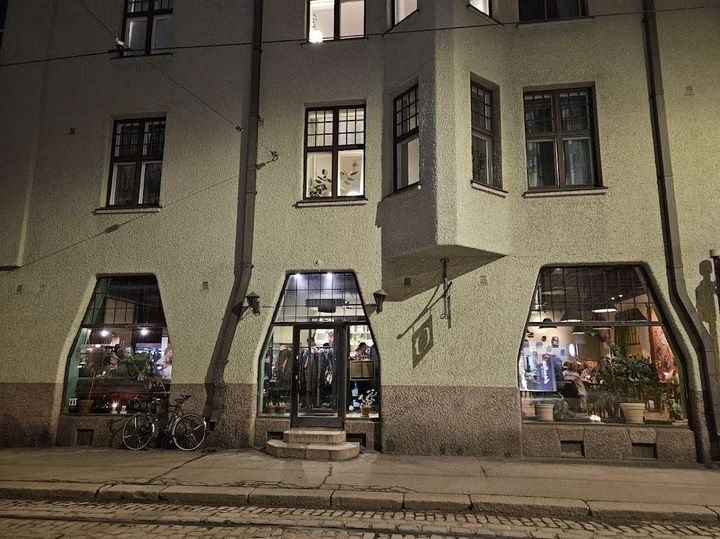
How many Michelin restaurants are there in Helsinki — and where to find the current list
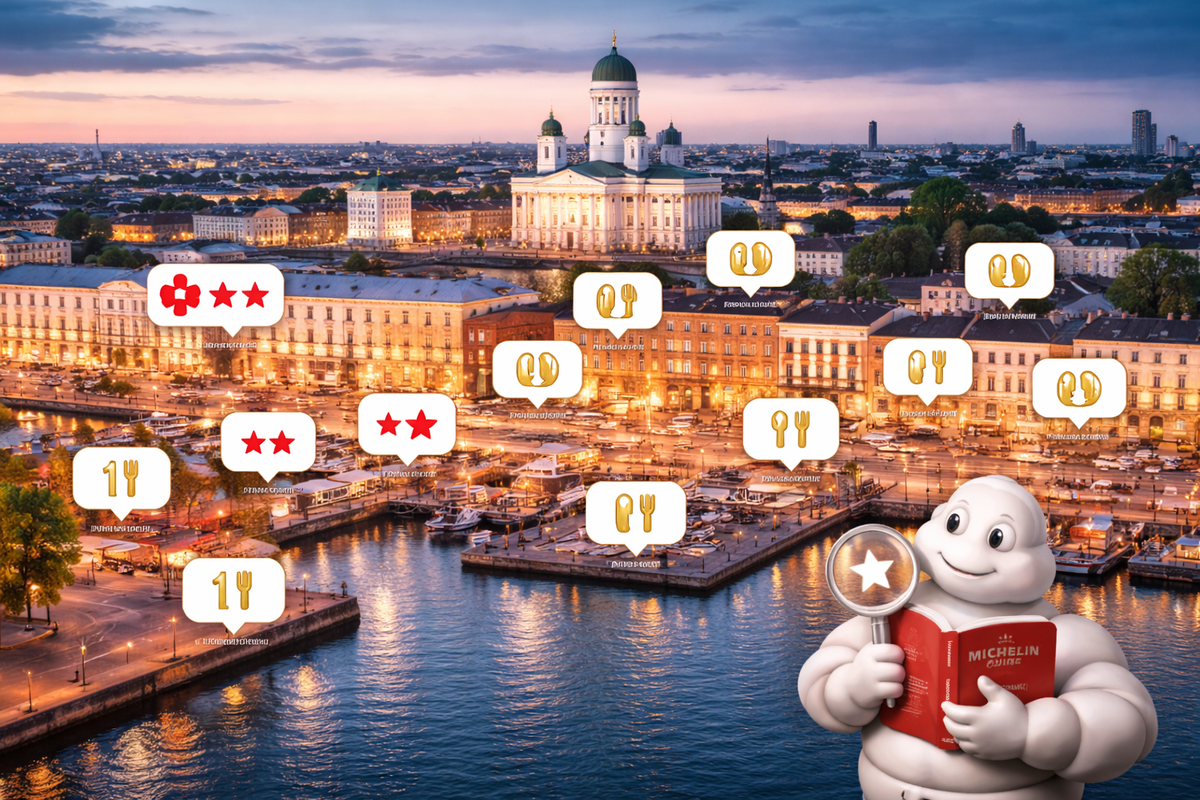
In the official MICHELIN Guide “Helsinki, Uusimaa, Finland and surroundings” selection, there are 27 restaurants in total — including all guide distinctions, not only starred venues.
At the time of review, the breakdown is as follows:
- 1 restaurant — 2★,
- 4 restaurants — 1★,
- 4 — Bib Gourmand,
- 18 — Selected.
The most up-to-date way to check Michelin restaurants in Helsinki is to open the city page in the MICHELIN Guide:
- go to the Restaurants section and use the Distinction filter (2 Stars / 1 Star / Bib Gourmand / Selected);
- add cuisine and online booking filters if needed.
It’s always best to check statuses before your trip: stars (as well as Bib Gourmand and Green Star) are reviewed and updated annually.
Current as of 22 December 2025.
Sophie, France (Lyon) — weekend trip:
I liked that this isn’t just a list, but an explanation of formats. We chose a calmer dinner than we originally planned — and didn’t regret it.
Michelin stars in Helsinki: what to expect from 1★ and 2★ restaurants
A MICHELIN star is not the same as “mandatory formality.” The guide emphasises that stars are awarded only for the quality of the cuisine; service, tableware, and atmosphere are taken into account, but they do not determine the star decision.
1★ — High-quality cooking, worth a stop: a strong kitchen and a clear “star-level” experience that often works well as a first Michelin encounter.
2★ — Excellent cooking, worth a detour: more often a “destination” format, where nuances and pacing matter more and dinner is easier to experience as the main event of the evening (but this doesn’t necessarily mean stiff or theatrical service).
To understand in advance whether a specific Michelin dinner fits your personal rhythm in Helsinki, check three things before booking:
- the menu concept (tasting/set menu vs à la carte);
- expected duration and arrival time slots;
- cancellation and deposit policies on the booking page.
Sometimes the MICHELIN Guide includes a direct booking widget; if it doesn’t, it will usually direct you to the restaurant’s official website to book there.

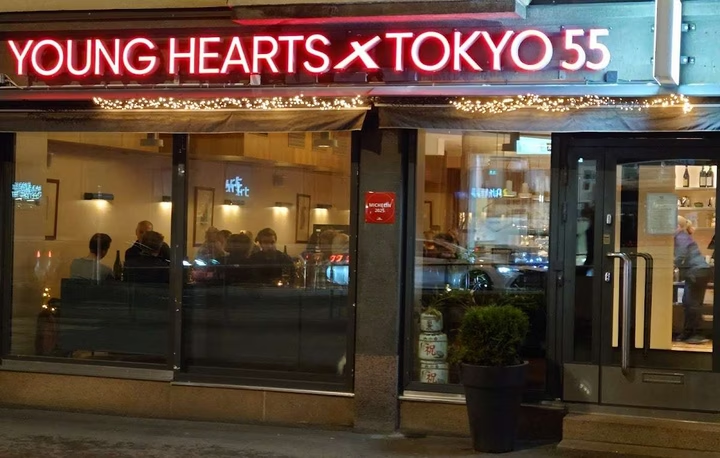

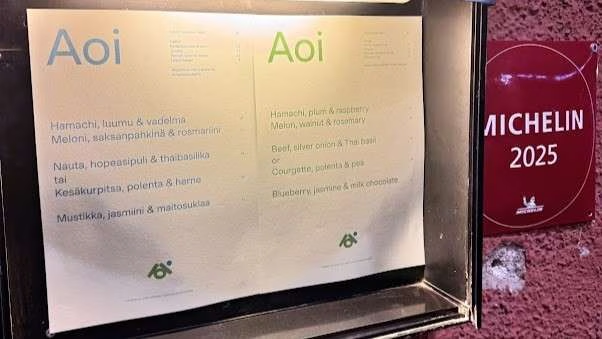

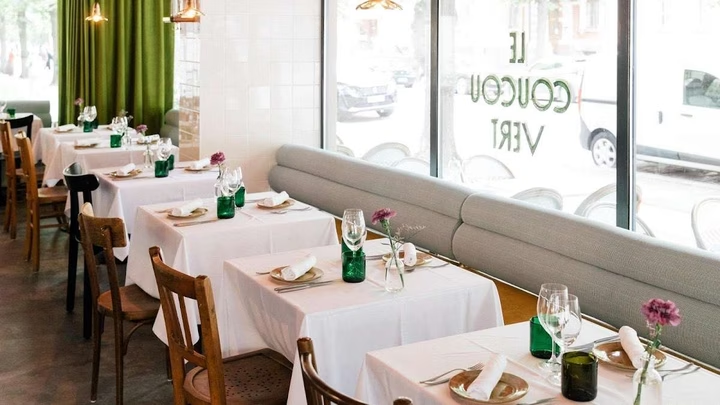

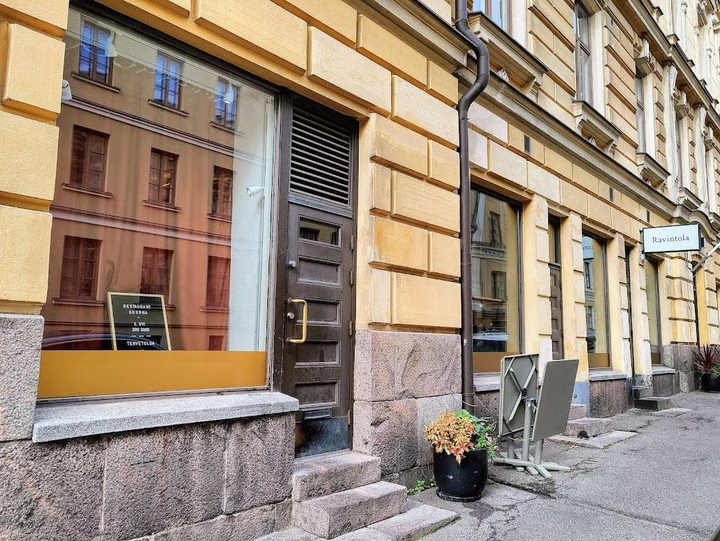
How to choose a Michelin restaurant in Helsinki based on your situation
By expectations: stars vs. guide-listed restaurants
The most common mistake is assuming that a star is automatically the best choice for any evening. In practice, starred places often mean a more focused experience: more attention to nuance, a tighter pace, and the feeling that dinner is an event in itself. This works beautifully when you’re specifically looking for a gastronomic experience and you have time.
Guide-listed restaurants without stars are often easier for everyday “city mode”: strong cooking without having to build your entire evening around one table. This choice works well when Michelin is a benchmark of quality, not a goal in itself.
A practical selection logic:
- Your trip’s “main evening” → starred restaurants often fit best.
- A great dinner without ceremony → guide-listed restaurants without stars.
- Your first Michelin experience → a clear, predictable format matters more than status.

By format and constraints: vegetarians, allergies, children, couples
Before choosing, it’s worth answering “how,” not just “where”:
- Set menu or à la carte. Set menus define pace and duration; à la carte gives more freedom.
- Allergies and dietary needs. Check in advance how the restaurant handles restrictions and how to notify them.
- Children and families. Star-level pacing can feel long; calmer, shorter formats often work better for families.
- Couples. On dates, atmosphere and the ability to talk can matter more than maximum flavour intensity.
Special occasions: celebration, proposal, business dinner
- Celebration / proposal. Check whether you can note the occasion in advance, what the expected duration is, and what the cancellation terms are.
- Business dinner. Conversation and time control are often more important than a multi-hour experience.
- International group. Check the language factor and how clearly the menu is presented.
Practicalities: booking, dress code, evening pace, and cancellations
Booking: what to handle in advance
- 📌 Check the booking channel: the restaurant’s official website, a booking platform, or the MICHELIN Guide — sometimes the working widget is found right there.
- ⏰ Choose the right arrival slot: a starred dinner is not a “quick stop.”
- ⚠️ Share key details early: allergies, dietary requirements, a special occasion, or seating preferences.
- 🍽️ Confirm the menu format: a set menu defines the structure of the evening; à la carte is more flexible for groups.
- 💳 Read the cancellation terms: deposits, deadlines, and no-show fees are part of the rules.
- 📧 Keep the confirmation: a message or email with the date and terms.
Dress code
Don’t look for “one-size-fits-all rules.” In Helsinki, formality is often more relaxed than the word Michelin might make you expect, but each restaurant has its own style.
- A neat, city-smart look is almost always a safe choice.
- Sporty outfits or beachwear are more often a risk.
- If you’re unsure, check the restaurant’s FAQ/booking section on their website.
Dinner duration and pace
Plan the evening around the format: with a tasting menu, “a quick bite” is the wrong goal.
- Don’t schedule tight plans immediately afterwards.
- For groups where conversation matters, à la carte often gives you better control over the pace.
Cancellations and changes
Check the rules in advance: free-cancellation windows, no-show policies, and guest-count changes.
- If your plans change, let them know early — it’s both practical and respectful.
- Peak season and holidays can mean stricter terms.
To make dinner fit into your day without rushing, it’s worth planning the before/after too: a walk, Helsinki museums, or an evening ritual at the best saunas in Helsinki pairs well with a gastronomic experience.
Key Michelin facts for Helsinki and Finland
📍 Helsinki & surroundings
The MICHELIN Guide “Helsinki and surroundings” selection includes 27 restaurants, including starred venues and guide recommendations.
⭐ One-star restaurants
In Helsinki and nearby areas there are 4 restaurants with 1★.
⭐⭐ Two-star level
In Finland there is one 2★ restaurant — Palace (Helsinki).
⭐ National overview
Across Finland there are 6 restaurants with 1★, some of them located outside the capital region.
🍽 Bib Gourmand
Finland has 4 Bib Gourmand restaurants — all of them in Helsinki.
ℹ️ Important note
Statuses and lists can change. Always check the latest information in the official MICHELIN Guide before your trip: country → city → restaurant page.
Updated 22 Dec 2025.
Budget and price expectations
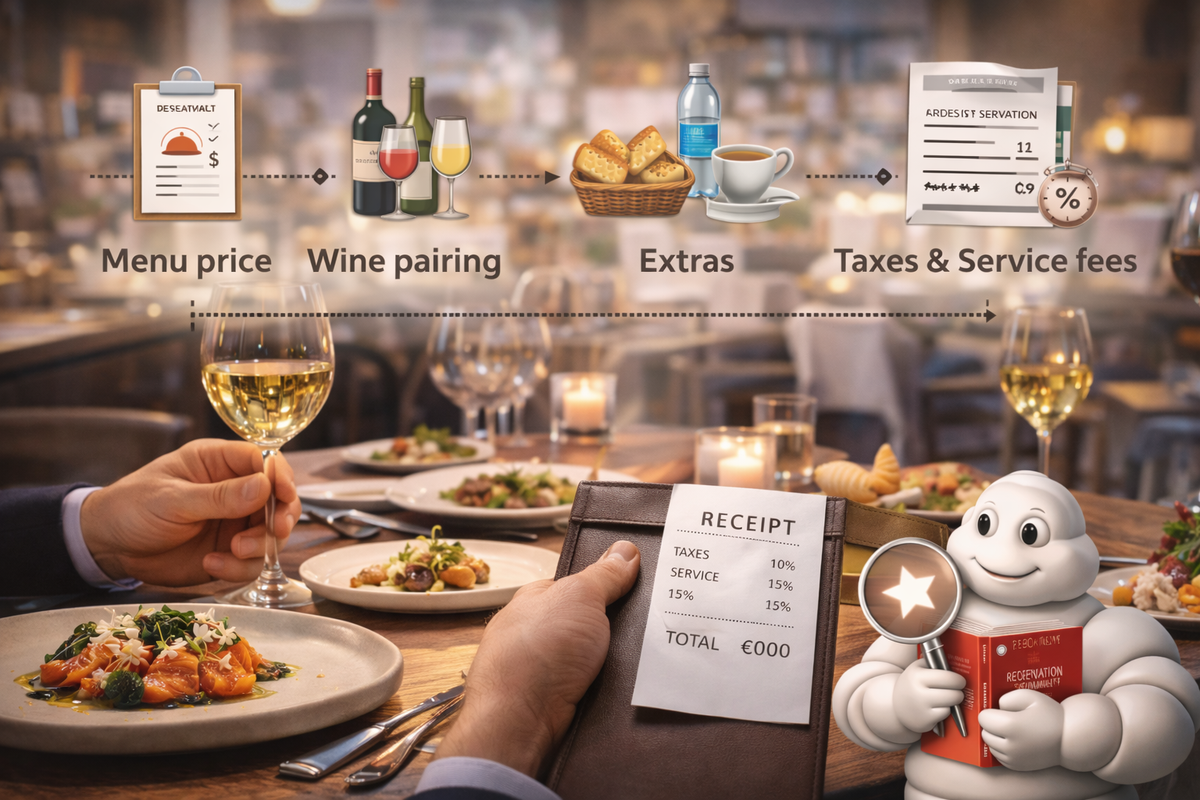
The Michelin format is often more expensive than the city average — not “because of status,” but because the economics work differently: pricier ingredients (especially seasonal and local), more manual work in the kitchen, a heavier workload for the service team, and more time spent per table. In starred restaurants, this is further intensified by process complexity and the demand for consistency.
To understand your budget realistically, it’s worth checking five things in advance:
- the menu price without drinks (and what it actually includes);
- drink pairings (wine / non-alcoholic) — they often affect the final bill more than the food;
- extras: bread, water, coffee — are they included or charged separately;
- taxes and service charges: how they are presented;
- deposit and cancellation terms: a deposit is not an “extra fee,” but it ties up both your budget and your schedule.
The calmest approach is to choose the restaurant first based on the occasion and pace, and only then look at the menu and price. That’s how price expectations most often match reality.
How to “fit” a Michelin dinner into a Helsinki trip
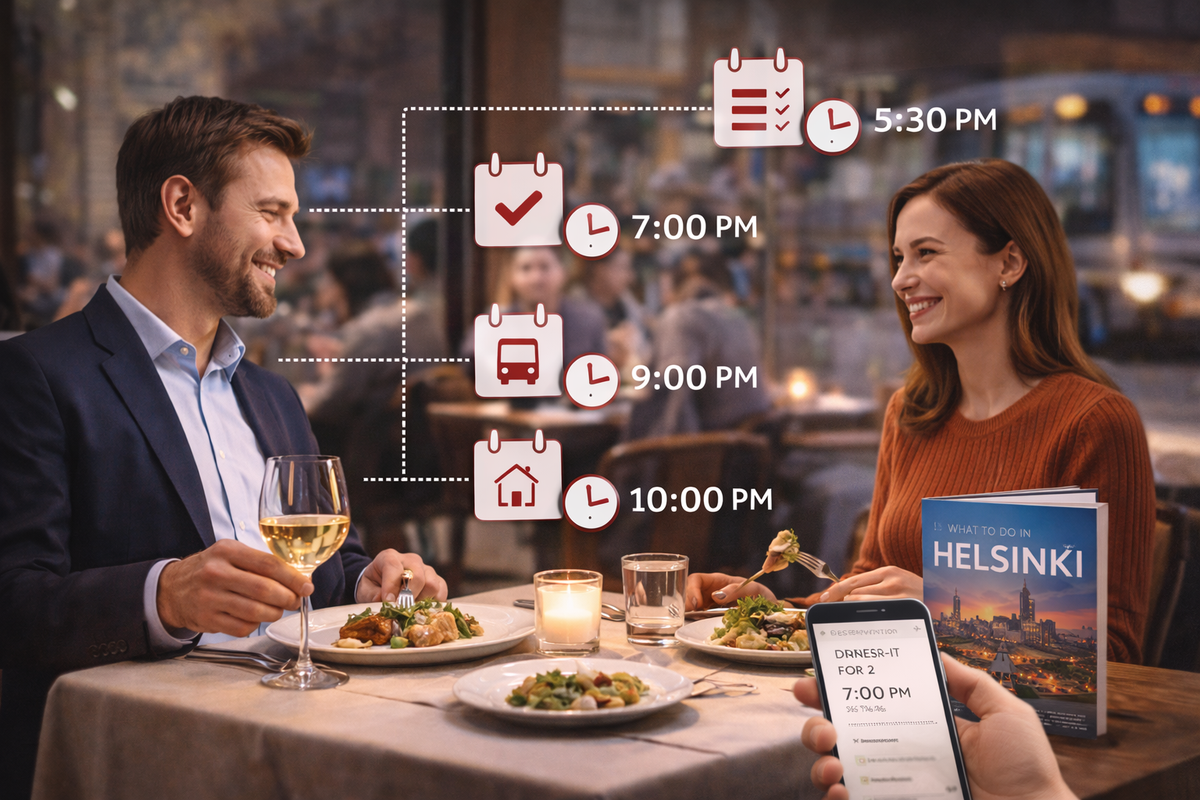
A MICHELIN Guide dinner works best when it’s not treated as a “checklist item,” but as part of the day’s overall logic: pace, distances, and fatigue affect the experience more than the star itself. In Helsinki this is especially true: the city is compact, and smart route planning is often more important than chasing the rarest status.
One evening in the city centre
If you only have one night in the city, it’s best to build the day around a simple formula:
“experiences during the day, dinner in the evening.”
Example: a walk + one museum/exhibition → a short rest → dinner → a light bar finish. For the daytime part, it’s convenient to open a Helsinki museums roundup in advance so your evening doesn’t disappear into queues and transfers. After dinner, a gentle closing point often works better than “one more activity” — for example, the best bars in Helsinki in the format “one drink and home.”
Michael, USA (Chicago) — business trip:
It’s useful that there’s logic “by situation” and time-management tips. On a business trip, this matters more than beautiful descriptions.
A local’s weekend
If you live in Helsinki or visit regularly, it’s easier to fit a Michelin dinner into the day without the feeling of “we have to do everything.” A good scenario is to pick one theme for the day — architecture / waterfront / market / gallery — and then have dinner as a calm conclusion.
If you want to strengthen the “Finnish” context, it makes sense to pair the evening with something culturally meaningful in Finland: a daytime sauna or evening relaxation at the best saunas in Helsinki (depending on habits and timing). If the goal isn’t a “Michelin experience” but clear local cooking without ceremony, a separate guide to Finnish cuisine restaurants in Helsinki is often a better match.
A short expat trip: a weekday dinner without stress
On weekdays, predictability matters most: timing, cancellation terms, pace, and the ability to get home easily. Ideally, choose an arrival slot so you’re not sprinting to dinner “on your last breath,” and leave a little buffer for travel and mentally switching off after work.
If the evening sits between other commitments, choose a format where you can control the pace — this is often visible in the menu and booking terms. Guides like where to go in Helsinki also work well here: they help build the day around one or two clear goals and give dinner the right role — as the day’s final point, not a stress task.
The calmest approach is to choose a restaurant first based on your occasion and desired pace, and only then look at the menu and format. That’s when price expectations most often match reality best.
Emma, UK (Manchester) — first time in Helsinki:
I liked the neutral approach: not “better/worse,” but framed through expectations. It reads like a calm guide.
How the TOP-12 was compiled and how to read this list
This selection is based on official statuses and on whether restaurants are included in the guide. The source of facts is the MICHELIN Guide. Because the guide is updated regularly, line-ups and distinctions can change with MICHELIN updates — which is why the end of the article includes an “as of” date and sources.
It’s important to understand that this TOP-12 is a convenient showcase for choosing, not a complete list of every guide-listed venue. The purpose of the ranking is to help you quickly understand formats and set expectations: which dinner suits a tourist, an expat, or a local; how much time to plan; and what to expect from a star compared to a restaurant that’s “only in the guide.
FAQ
In the official MICHELIN Guide selection for “Helsinki and surroundings”, there are 27 restaurants (this includes starred venues and guide recommendations, not only Star restaurants). Before your trip, it’s best to open the list in the official MICHELIN Guide and filter by Distinction to see the most current statuses.
If by “Michelin restaurants” you mean all places included in the MICHELIN Guide selection for Helsinki and nearby areas, the total is 27 (including starred and recommended). If you only want the starred segment, the same selection shows 5 starred restaurants (1 with 2★ and 4 with 1★).
For starred restaurants, it’s almost always a smart idea: they often use fixed seating times and have strict cancellation/deposit rules. There’s no universal lead time — it depends on the season and the day of the week — so check the exact terms on the booking page. If the guide has a booking button/widget, it’s convenient to start there; if not, MICHELIN usually links to the restaurant’s official website
In MICHELIN’s wording: 1★ is high-quality cooking (“Worth a stop”), while 2★ is excellent cooking (“Worth a detour”). In practice, this often means a difference in the scale of the evening: 2★ usually requires more time and attention to pacing, but it doesn’t necessarily mean pomp or strict rules.
A star signals the level of the kitchen (and “how worth it it is to change your route for it”), while Bib Gourmand signals good quality and great value for money. If you want a “special evening as an event,” you’ll usually look toward stars; if you want strong cooking in a more relaxed, practical format, Bib often matches expectations better.
Many restaurants offer vegetarian options and adaptations, but it always depends on the specific menu and format (especially with set/tasting menus). The most reliable approach is to check the menu on the restaurant’s official website in advance and inform them about restrictions when booking. If the allergy is serious, it’s best to email the restaurant ahead of time and get confirmation that the format is suitable.
Most of the time there’s no strict “default” dress code, but individual restaurants may have their own expectations. A safe strategy is a neat city look (smart casual) and checking the restaurant’s FAQ/booking section before your visit. Sportswear and a very casual style are usually not the best fit for an evening format.
In many places, basic English is enough — but if you’re more comfortable otherwise, you can prepare in advance: save key phrases (allergens, preferences, “please speak more slowly”) and show them when booking or on site. If you have specific menu requirements, a written message during booking usually works better than trying to explain everything verbally at the last minute.

0 comments
Log in to leave a comment